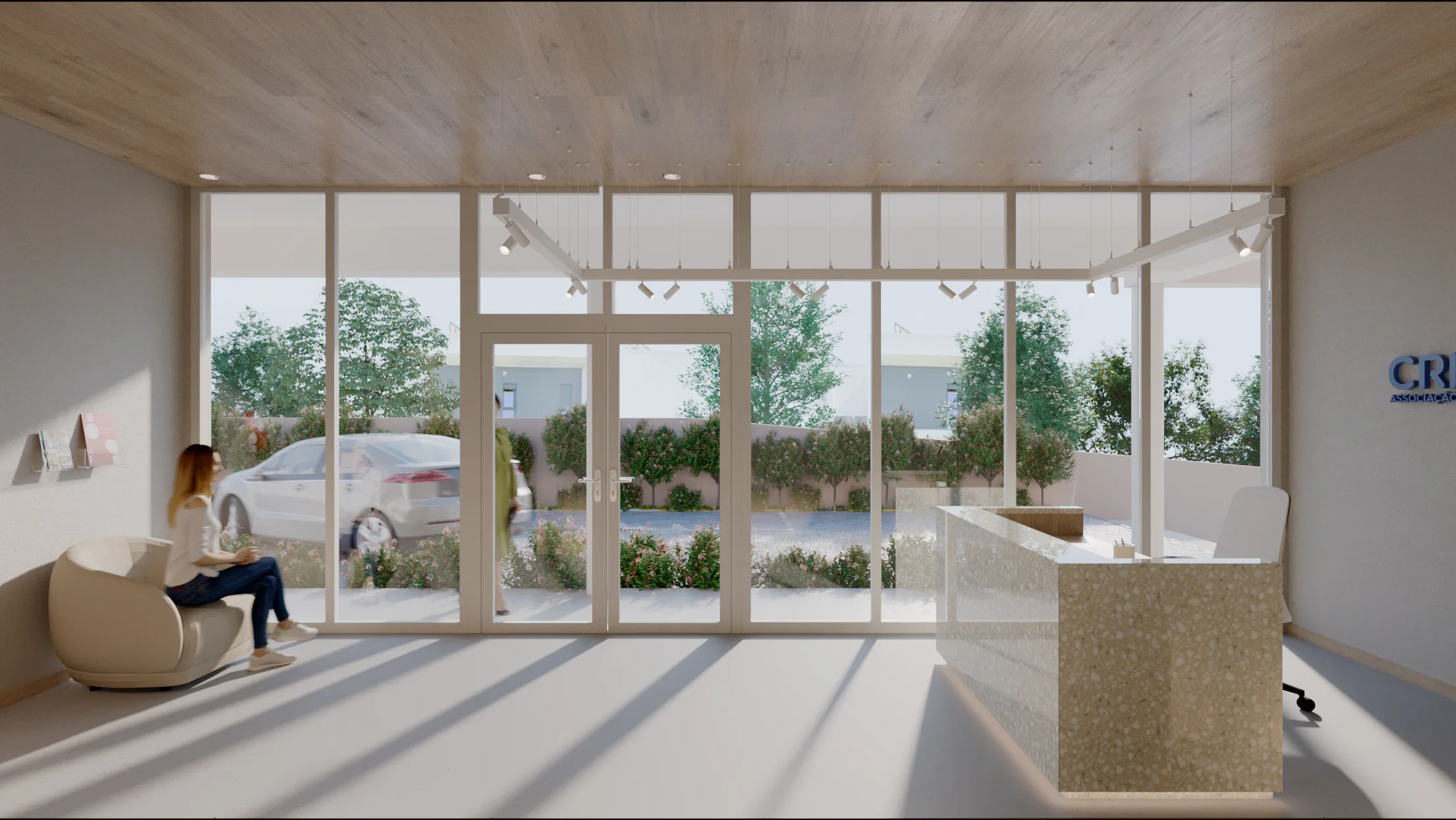
A shelter is, above all, a place of protection. A space for pause and rebuilding, intended to temporarily welcome victims of domestic violence, providing them with safety, privacy, and the conditions needed to begin again.
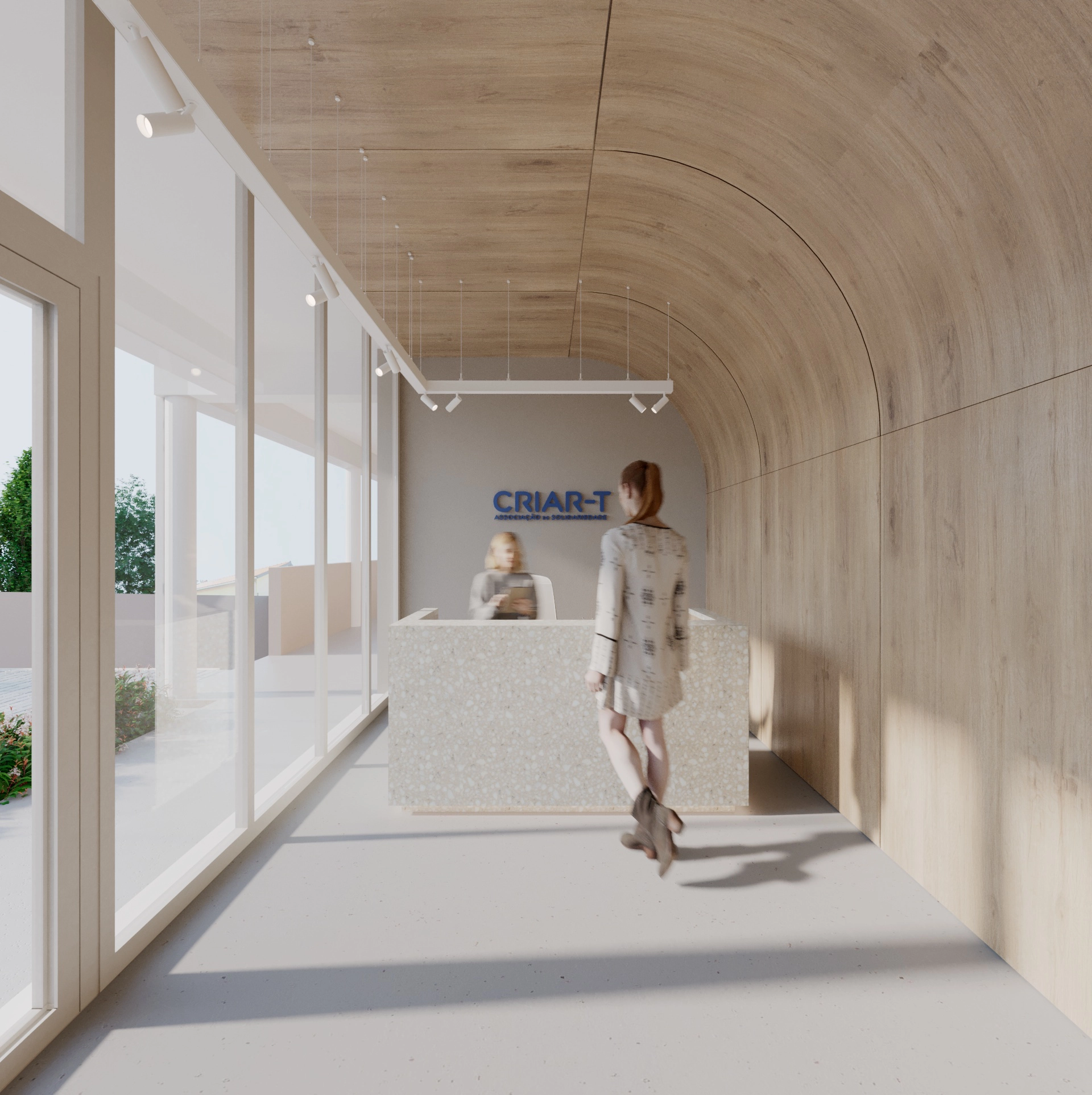
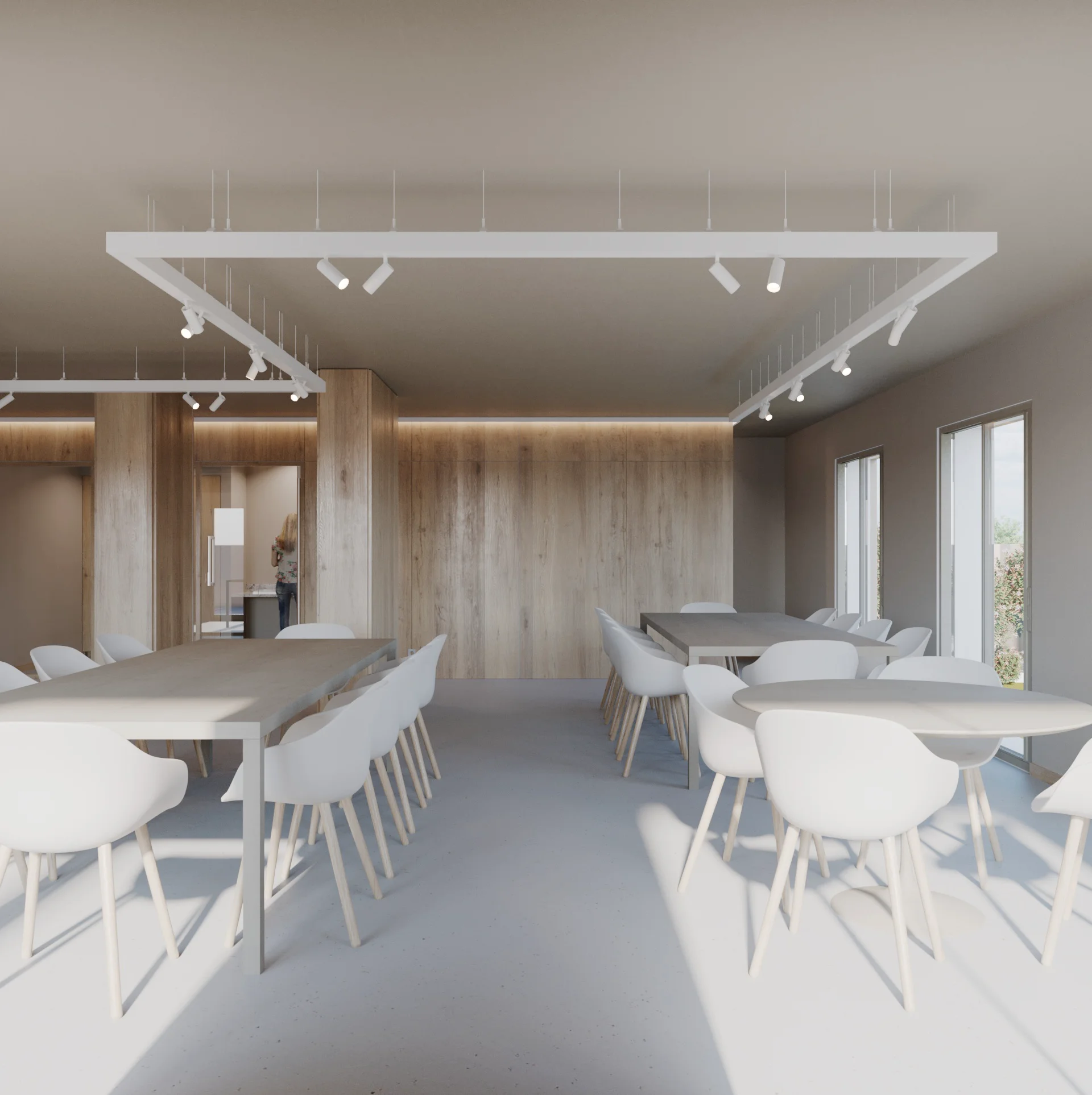
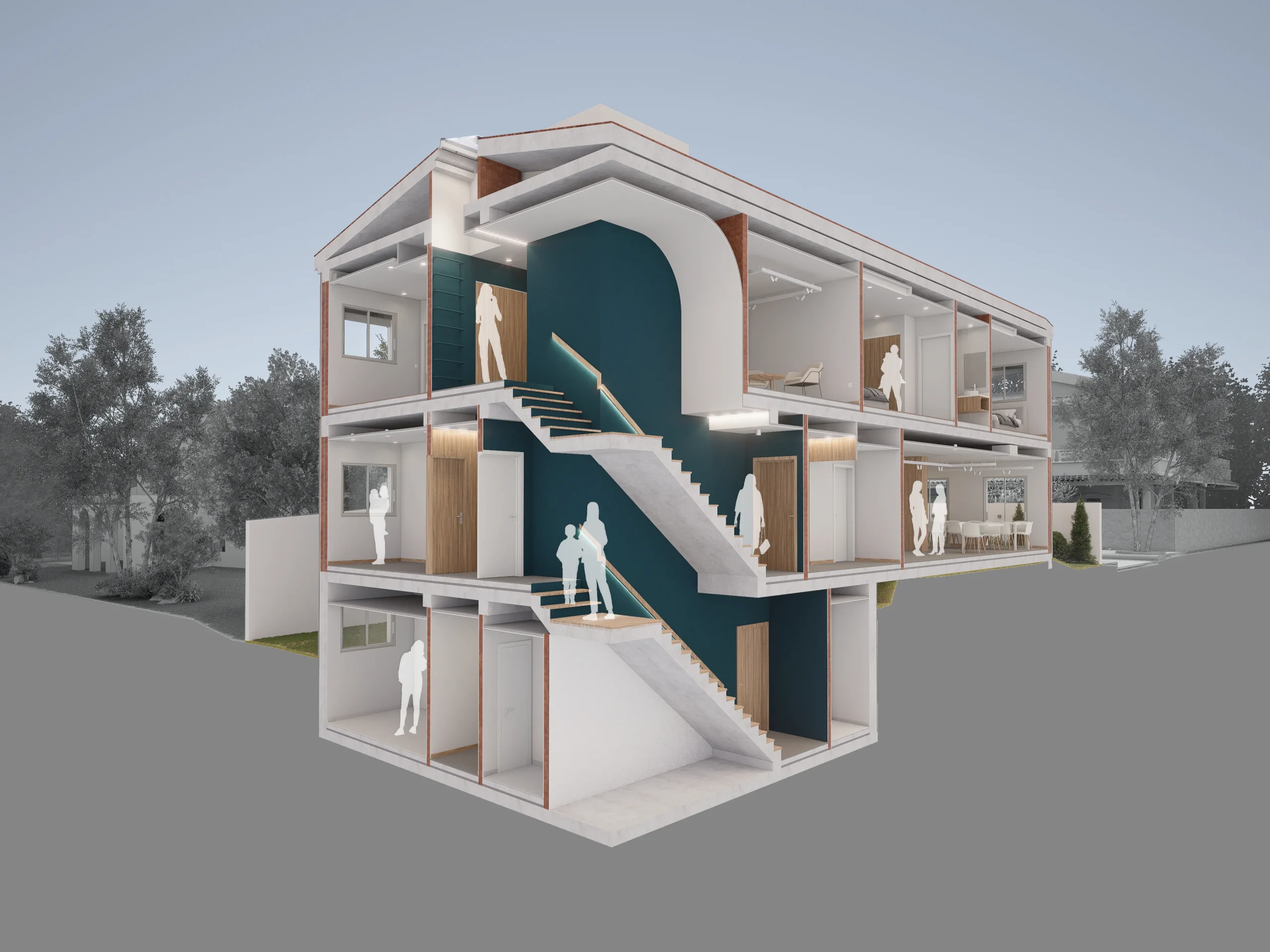
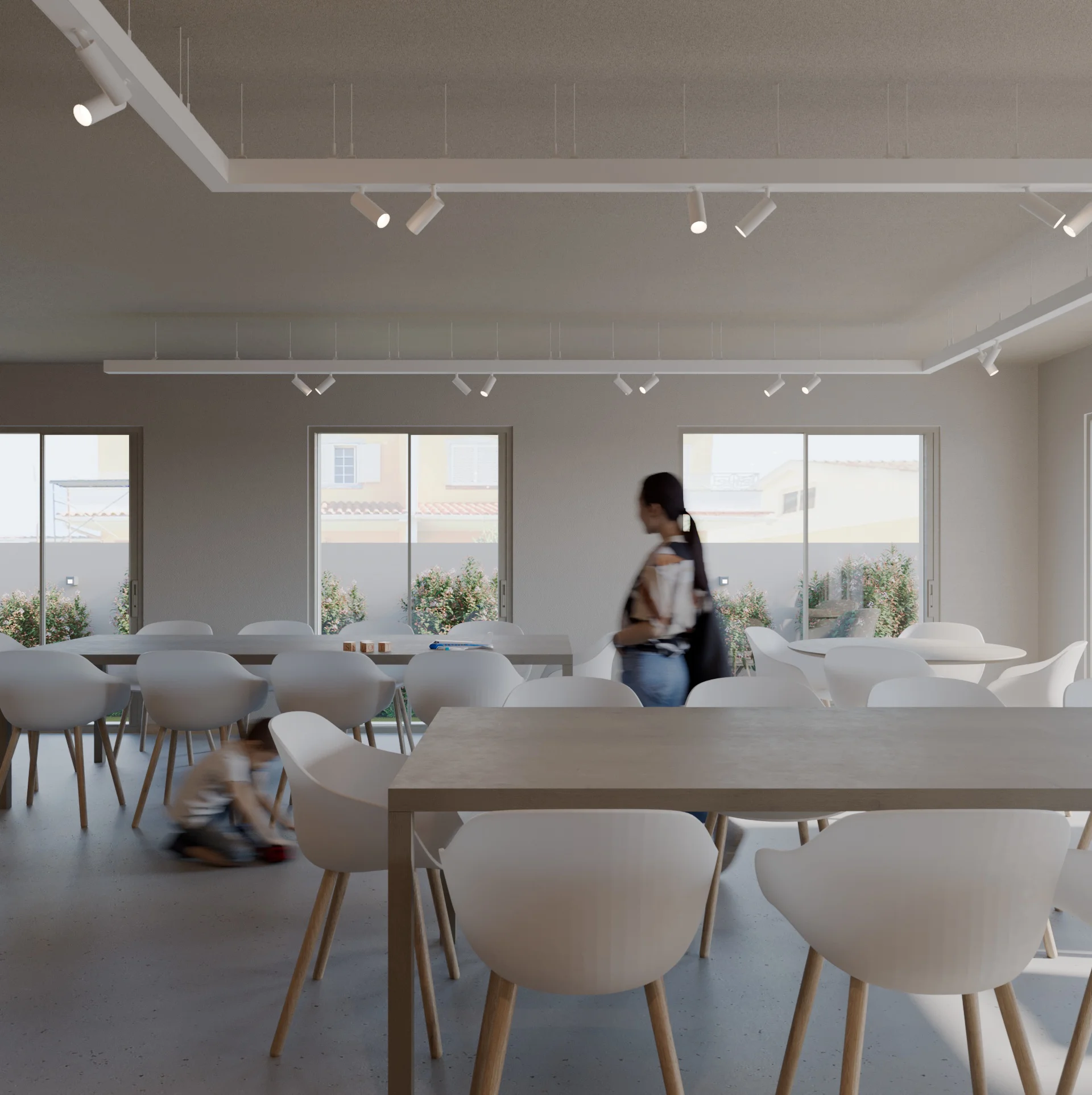
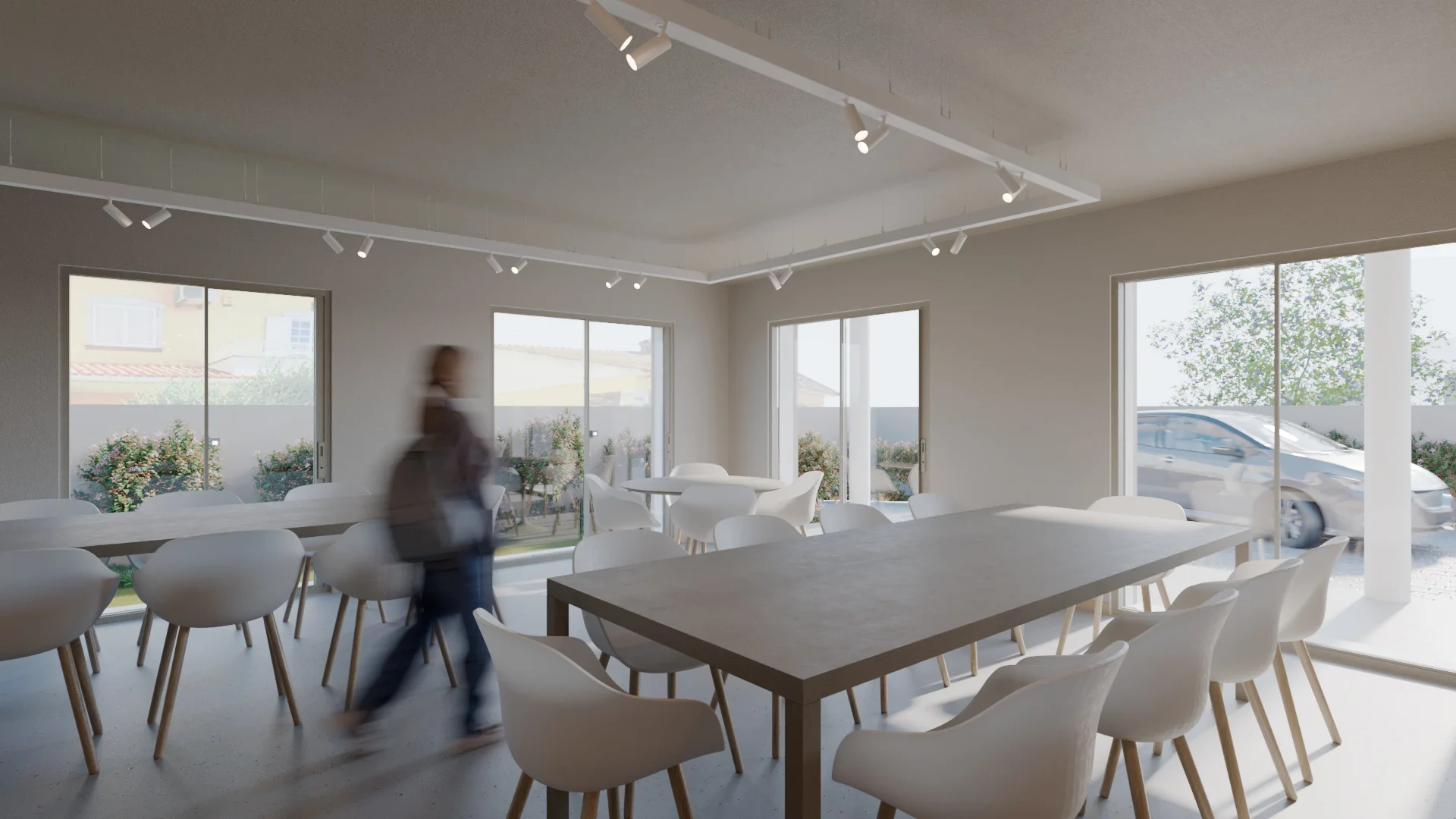
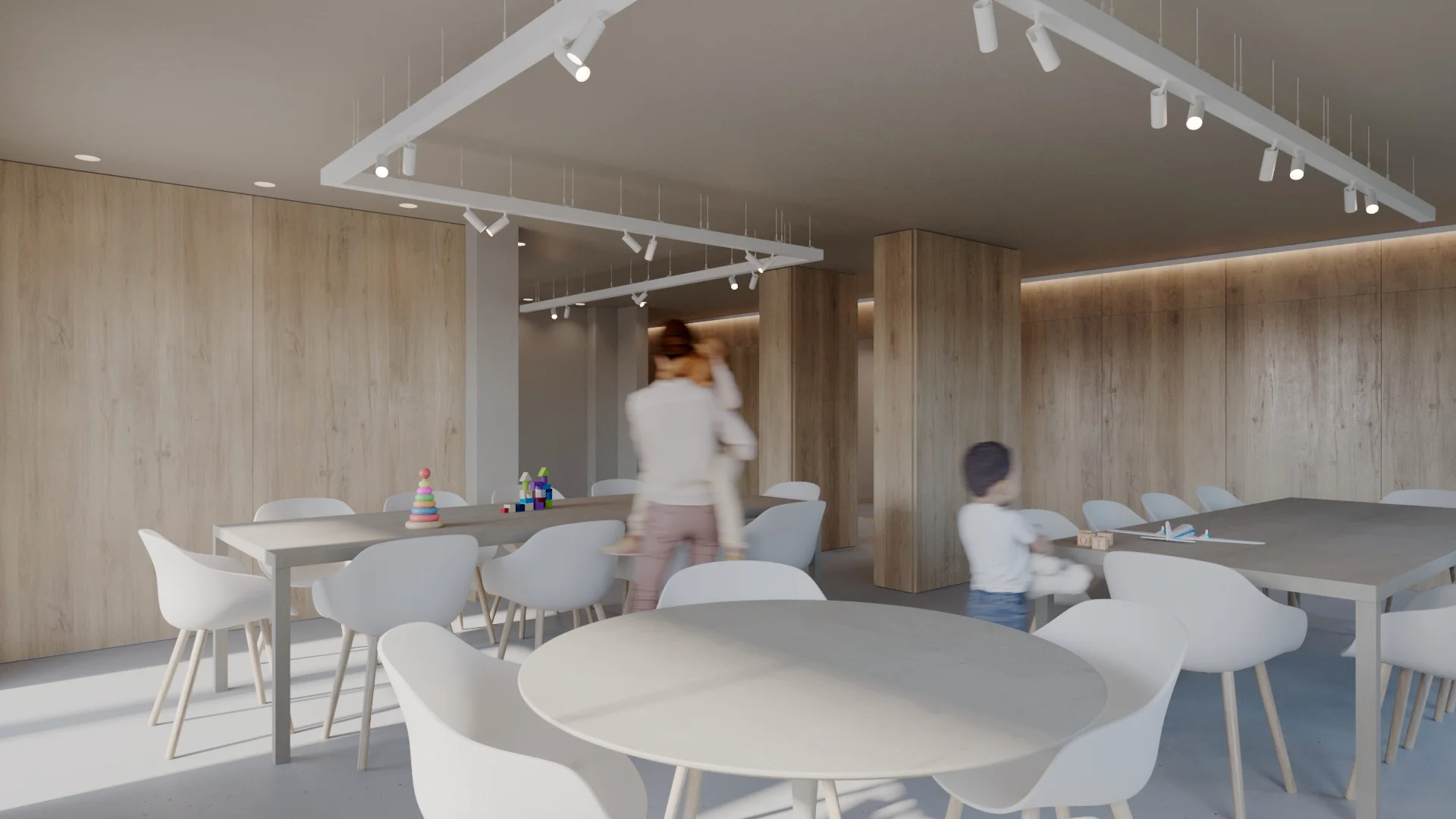
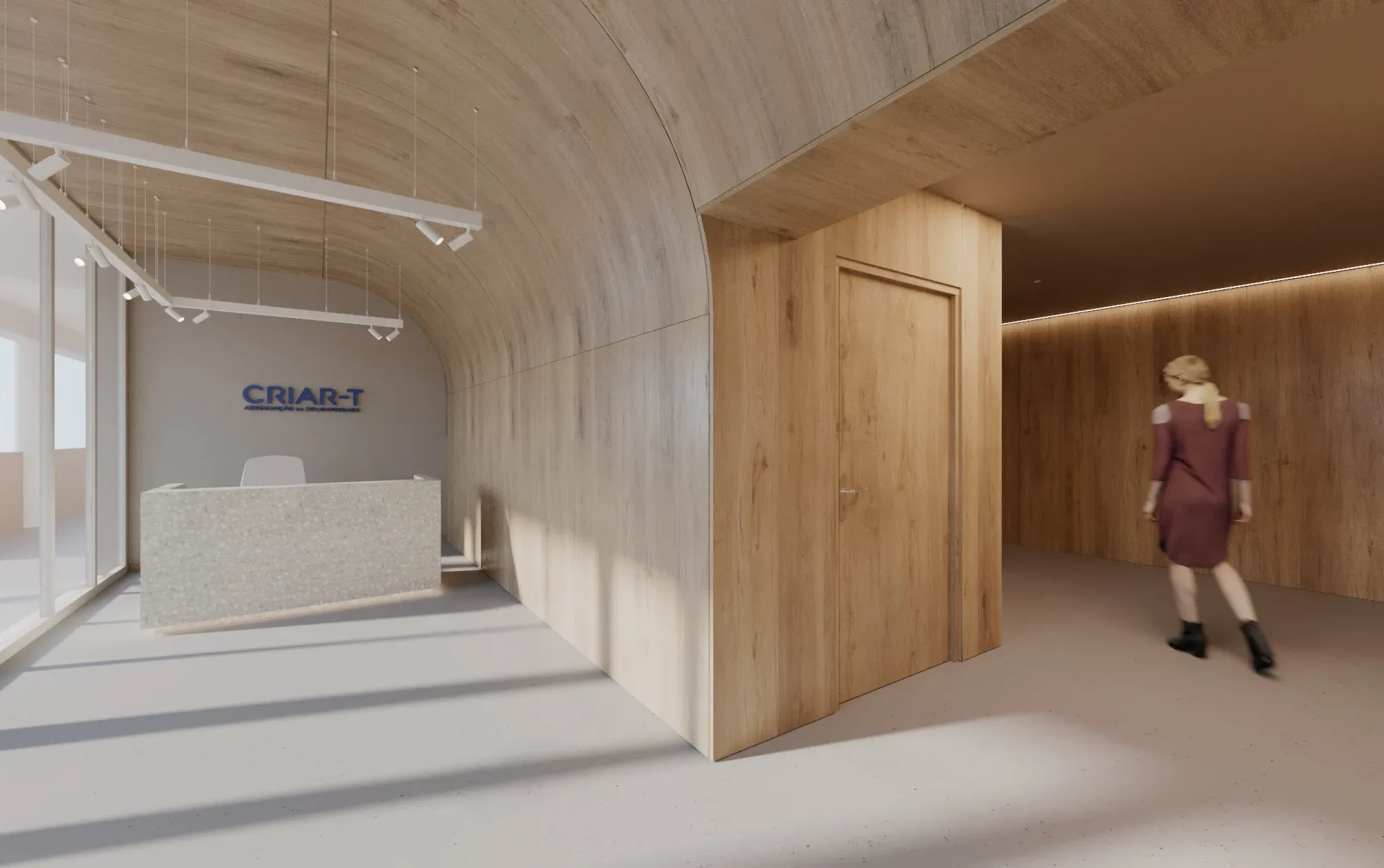
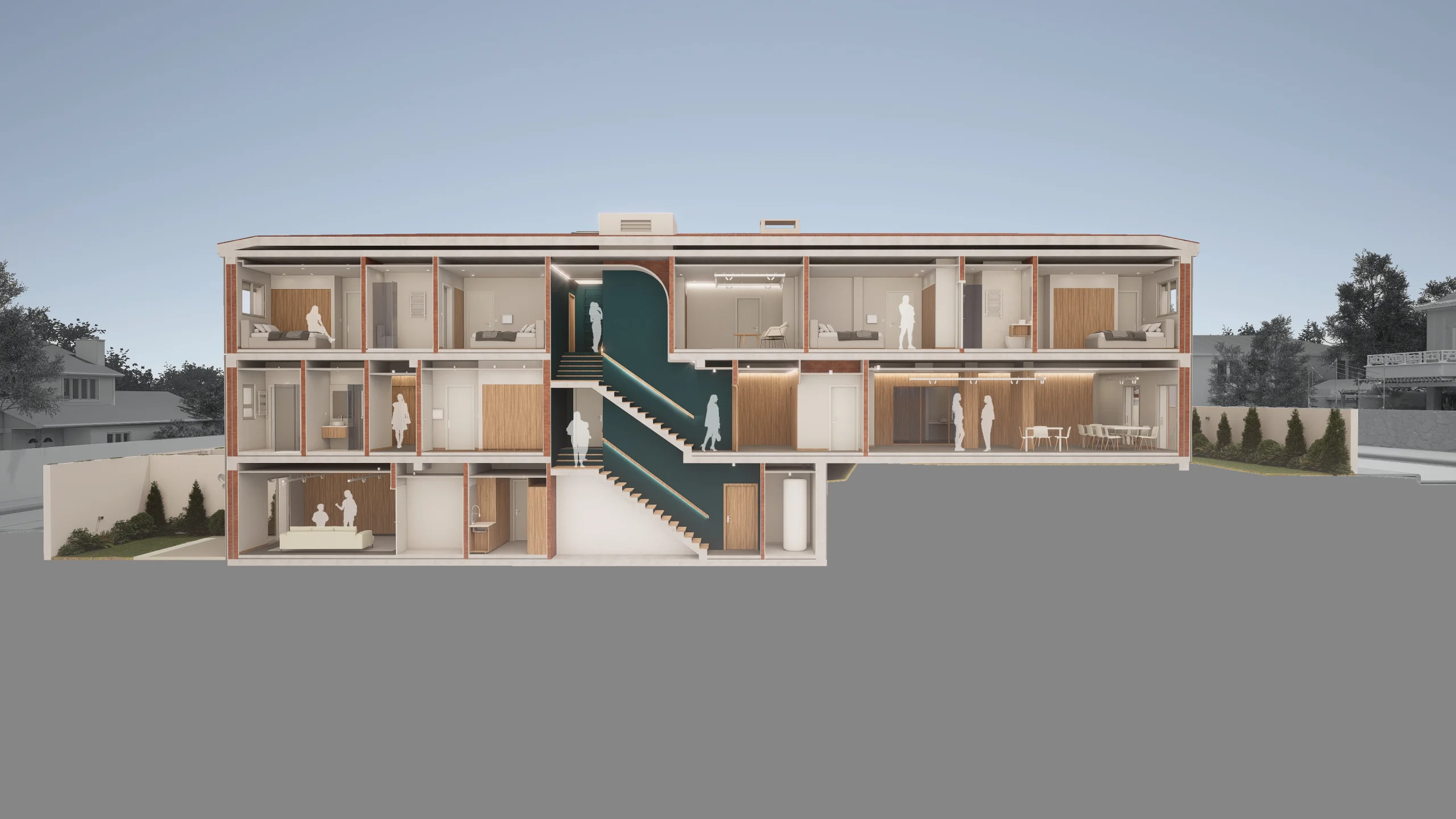
In this context, architecture assumes a quiet yet essential role. Through scale, light, materiality, and the relationship between spaces, it seeks to create a domestic and welcoming atmosphere, distanced from an institutional character. Each bedroom offers a place of intimacy and refuge; the shared spaces provide opportunities for connection and support.
The temporary nature of the shelter is reflected in an architecture conceived as a transition: a safe place between a reality left behind and the possibility of a new life. More than providing accommodation, it seeks to provide care; more than offering protection, it seeks to restore to each person the space and confidence needed to regain their independence.
The CASA ABRIGO project involves the alteration and extension of an existing building intended for Urgent and Temporary Accommodation, seeking to transform a necessity into a space of dignity, safety, and hope.